Modernizing HCFL.gov: Enterprise Content Transformation
Project at a Glance
Role
Lead Content Strategist
Timeline
2022-2024
Scale
2,000+ pages audited | 1,500 migrated | 40+ departments | 1.7M residents
Migration
Sitecore → Contentstack headless CMS
What I'm most proud of
I successfully advocated for moving Seniors and Health Care Plan out of Level 3 navigation into Level 2, giving two of our most critical resident services the visibility they deserved. Seniors because older residents often struggle with technology and need the clearest possible path. Health Care Plan because it's one of the most important human services we offer.
The hardest problem I solved
Midway through the migration, we discovered Cloudinary wasn't working as intended for documents. I audited 5,000+ files, built a new folder structure and naming convention in Contentstack, culled 2,000 redundant documents, and led the team through a full re-migration, then went back and relinked every affected content page.
Seniors: From Fragmentation to a Unified Ecosystem

The Problem: Originally buried as a Level 3 page, critical senior resources were scattered and difficult for a vulnerable demographic to navigate.
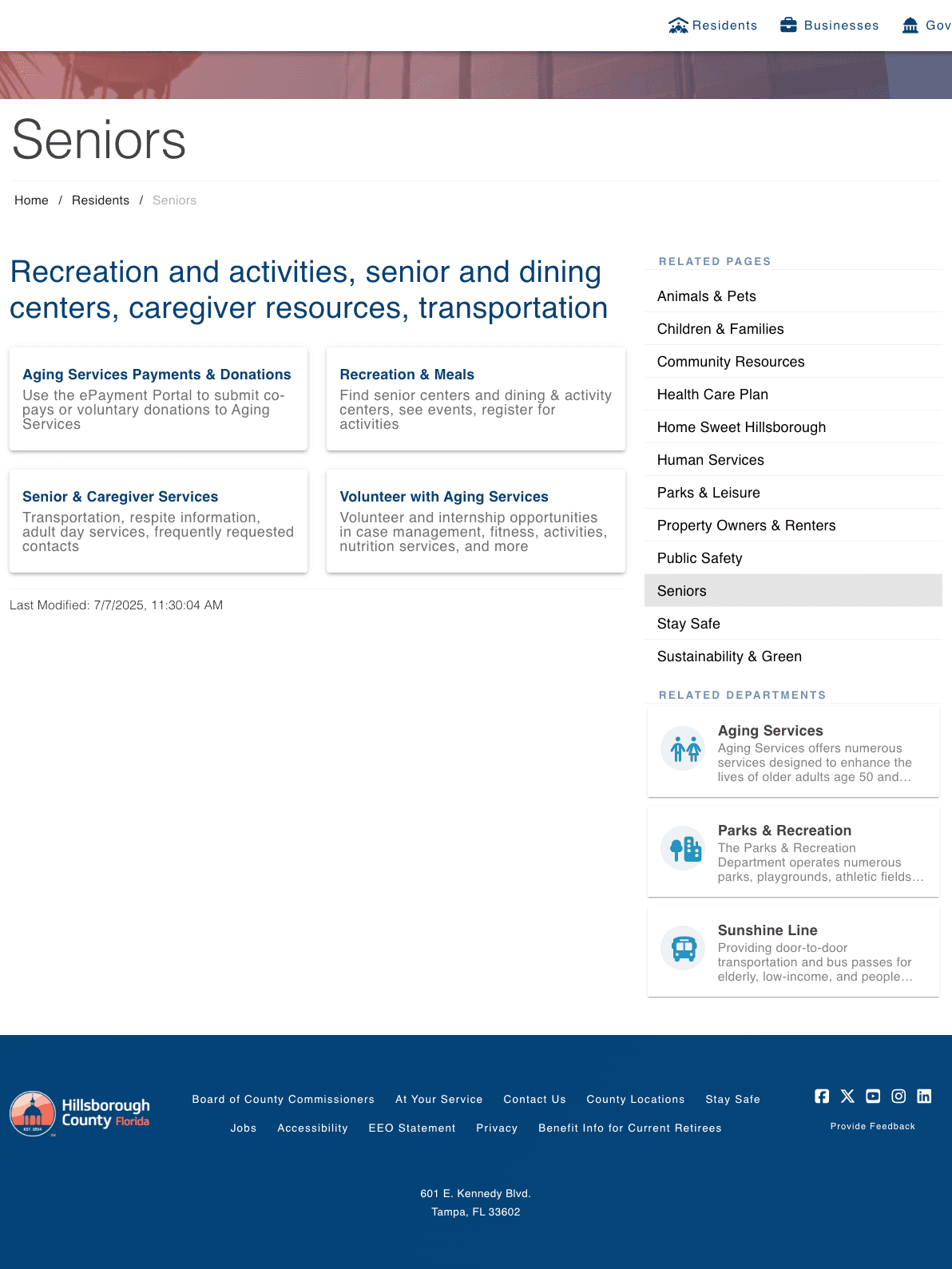
The Architectural Shift: Elevated Seniors to a Level 2 destination, centralizing fragmented content into a truly unified section that reduces the number of clicks to find essential information.
Health Care Plan: Elevating High-Intent Services
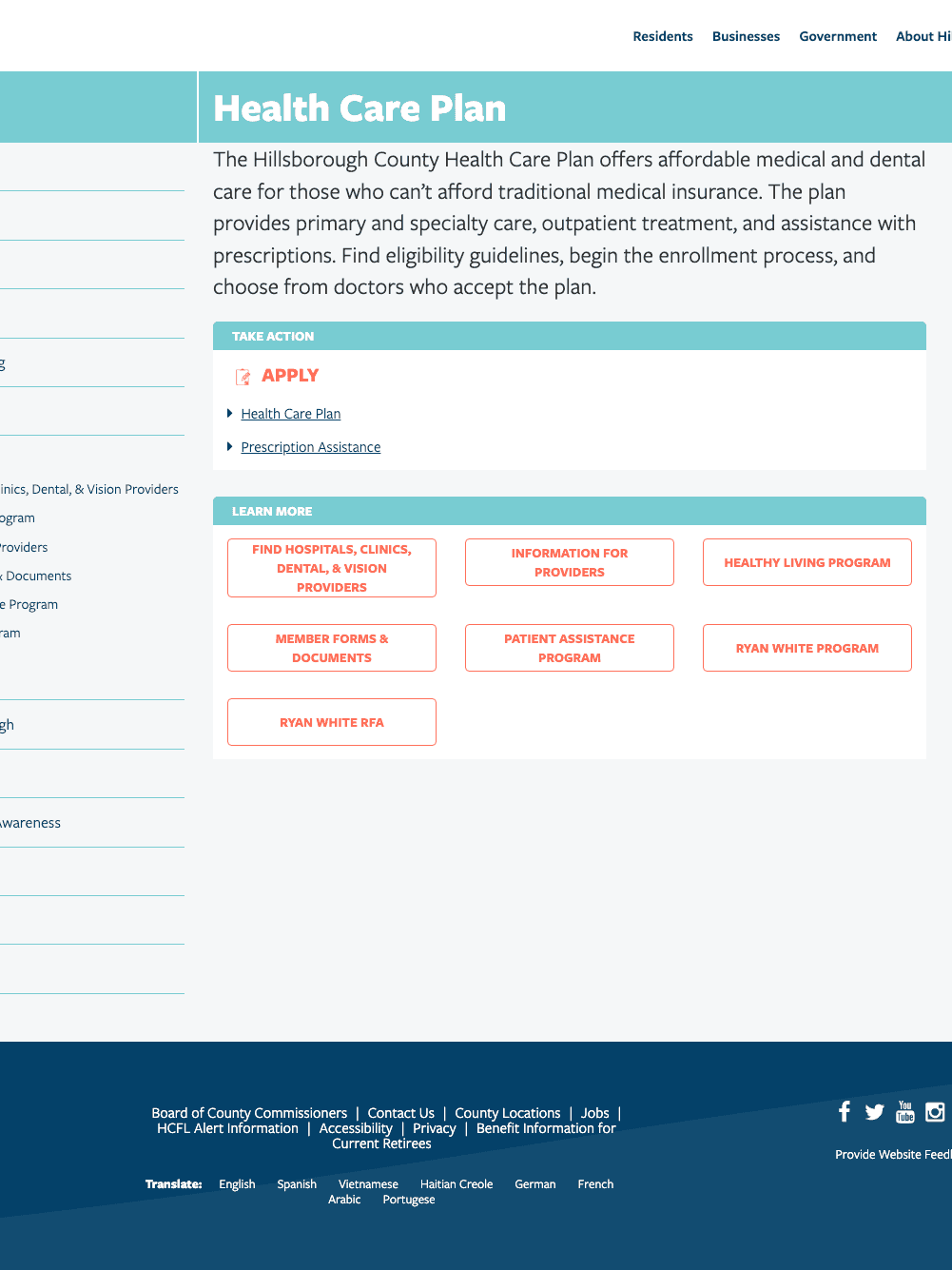
The Problem: As a premier County program, the Health Care Plan was counter-intuitively buried within "Social Services," hiding it from the residents who needed it most.
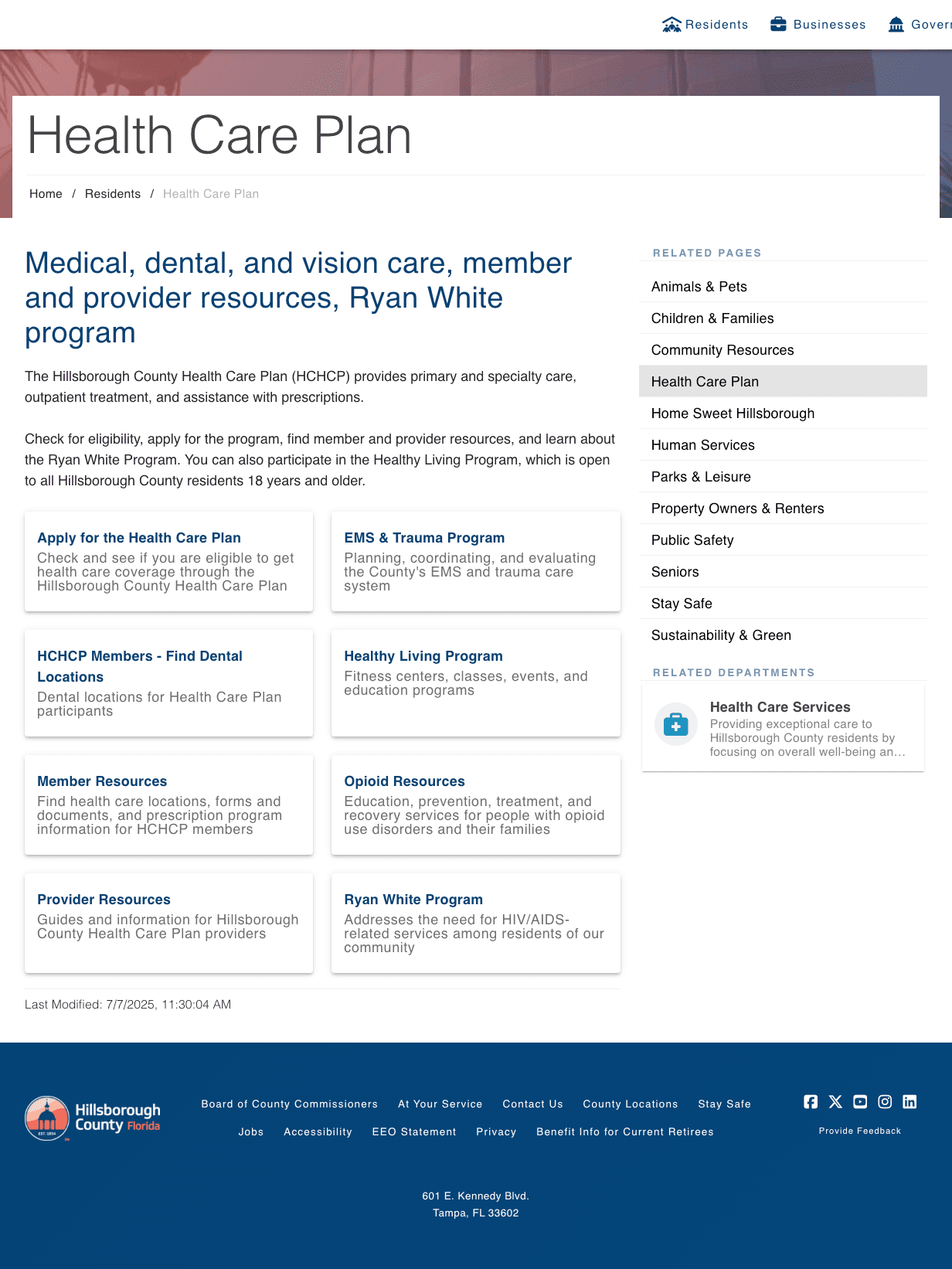
The Architectural Shift: Identified this as a high-traffic priority and elevated it to a Level 2 page with increased visibility, befitting its status as a critical community resource.
Human Services: Taxonomy Modernization for Inclusive Design
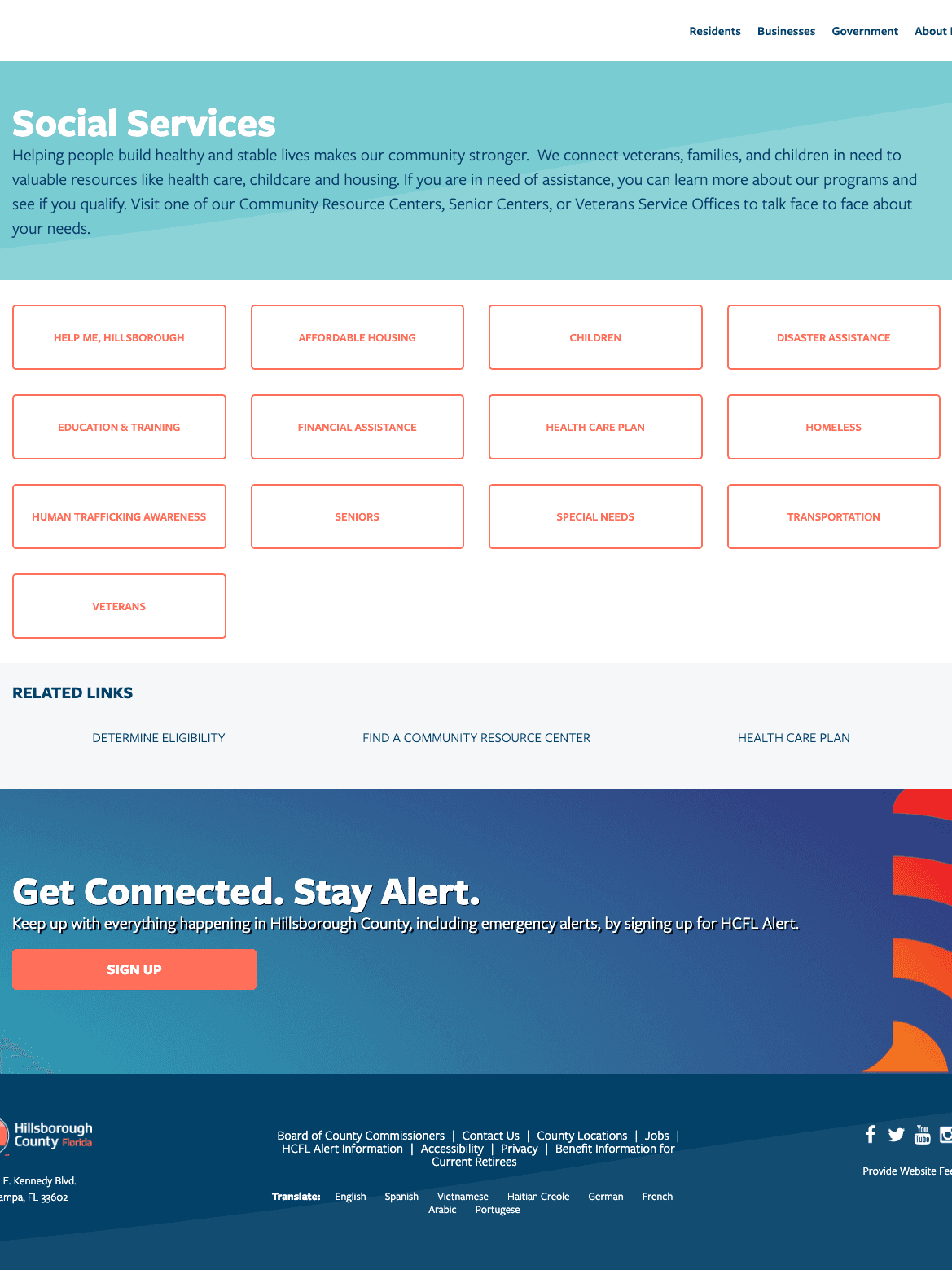
The Problem: The legacy "Social Services" label carried institutional weight but lacked the inclusive, modern clarity required for a diverse resident population.

The Architectural Shift: Spearheaded the linguistic transition to Human Services, using more inclusive and relevant naming conventions to improve user comprehension and brand trust.
Community Resources: Aligning with User Mental Models

The Problem: The "Citizens" landing page used an outdated, exclusionary label that didn't accurately reflect the breadth of services provided to the entire community.

The Architectural Shift: Re-engineered the section as Community Resources, modernizing the taxonomy to be more intuitive and welcoming for residents, businesses, and visitors alike.
Measurable Impact & Visual Evidence

OLD: Legacy Fragmentation & High Interaction Friction
The Problem: The legacy homepage relied on an org-chart-based Information Architecture (IA), burying the most critical resident services below the fold.
User Impact: Fragmented Level 2 navigation and buried high-intent links created high cognitive load and "click-path" fatigue for the County’s residents.

NEW: Service-Oriented Architecture & Cognitive Optimization
The Solution: Re-engineered the global IA to prioritize Service Discovery, moving "Most Requested Services" to the primary header for immediate visibility.
Systemic Win: Implemented a new stable navigation framework that eliminated legacy hover-state errors and established a clear, high-contrast visual hierarchy for faster "Time-to-Task"
Results at a Glance: Impact by the Numbers
1,500+ pages audited, modernized, and migrated
~2,000 redundant documents retired
Resolved a decade of search failures with Algolia
40+ departments trained on headless CMS workflows
County's first fully accessible, enterprise-grade headless CMS launched